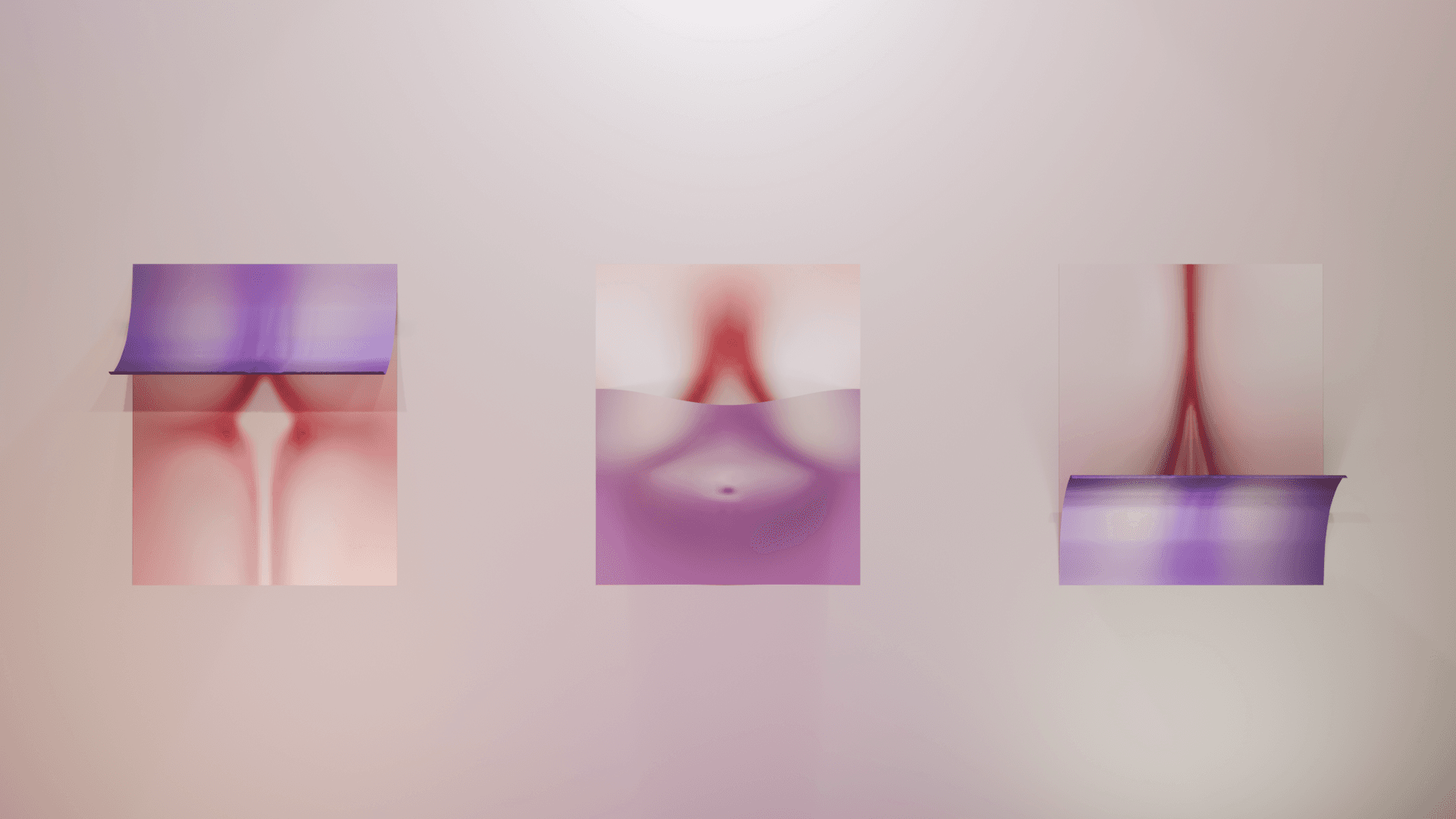
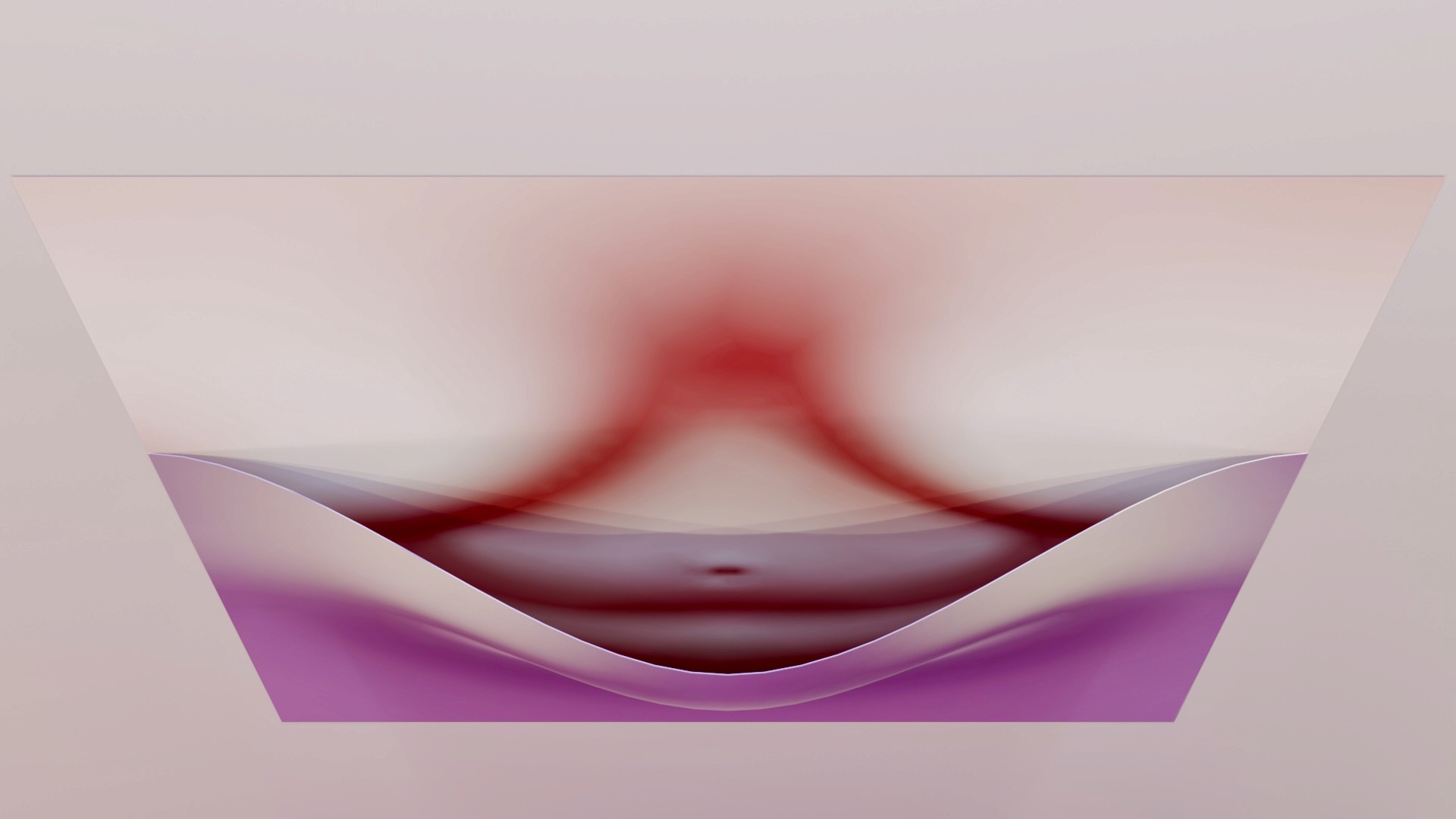
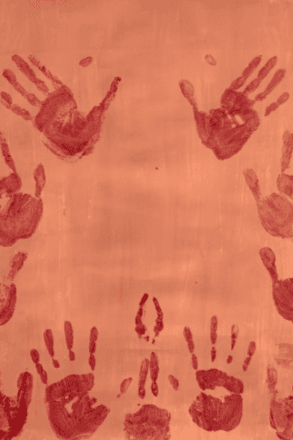
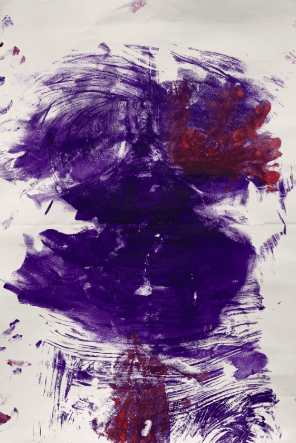
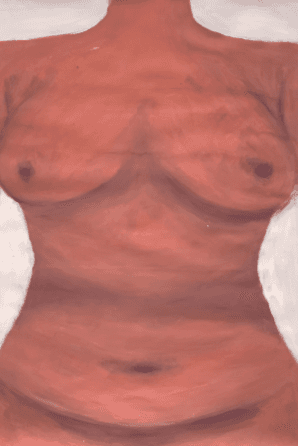
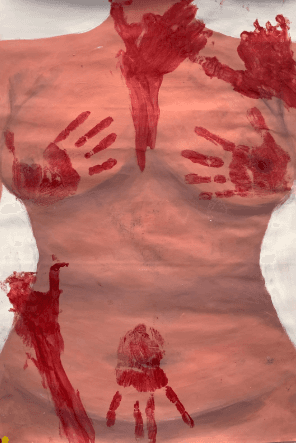
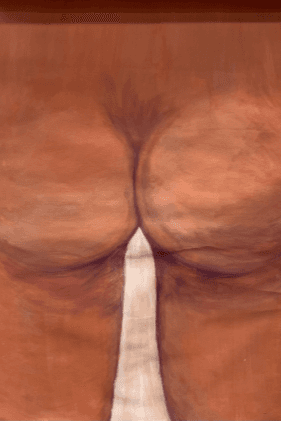
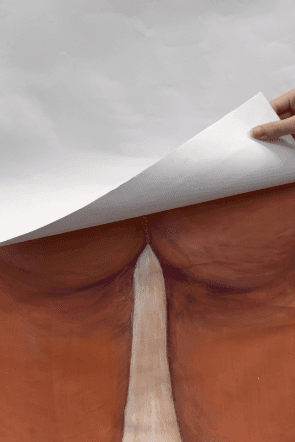
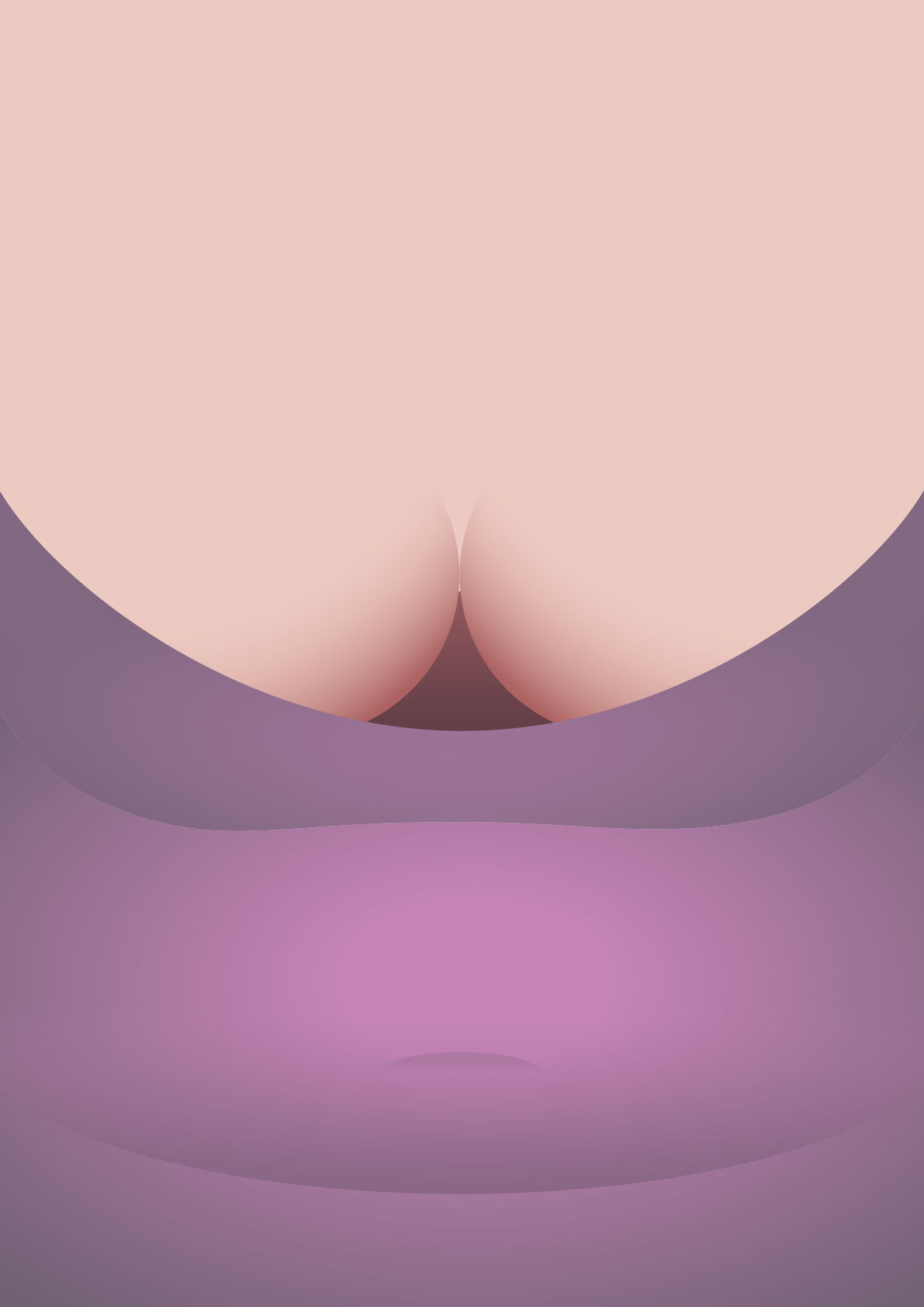
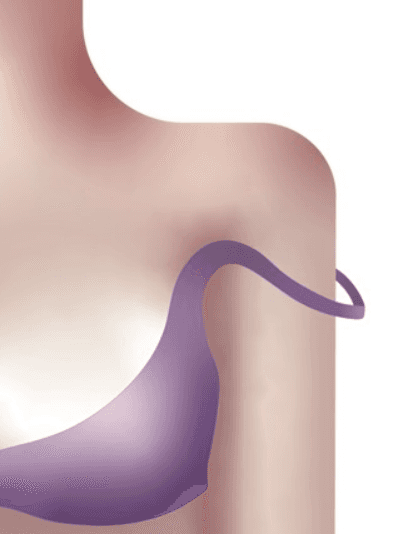
How do I look
一句日常話語,經常被女性用來詢問穿搭、妝容、整體儀態
語氣柔和、輕盈、甚至有點期待,彷彿在尋求認可
A simple everyday phrase, often used by women to ask about their outfit, makeup, or appearance—spoken gently, lightly, sometimes with a trace of anticipation, as if seeking approval.
但在這件作品中,"How do I look" 不只是關於外表的提問
更是對觀看者的反問與質疑
是對自己的焦慮,也是對視線權力的挑釁
But in this work, "How do I look" is no longer a question about appearance—
it becomes a counter-question, a challenge to the viewer.
It speaks of personal anxiety, and confronts the politics of the gaze.
在這個提問中,身體不只是被觀看的客體
也是自我意識與抗爭的載體
Here, the body is not merely an object to be seen,
but a vessel of self-awareness and resistance.
我們總被教導如何遮掩
卻沒人去教視線應該如何自律
We are taught how to cover ourselves,
but rarely how to discipline the gaze.
這件作品讓視線不再無形,而是變得具體
This work renders the gaze visible—no longer abstract, but concrete.
它指向的不是單一的視線事件,而是一整個社會架構中
觀看的權力如何被劃分、被習以為常地行使,被默許、被慣性濫用
It does not point to a single incident,
but to the way power is distributed through the gaze—
normalized, tolerated, and habitually abused within the social structure.
也指向了我們如何被迫習慣被看、學會自我遮掩、自我修正,甚至自我責怪
It reveals how we are taught to accept being watched—
to self-censor, self-correct, even self-blame.
這些情境,都曾是某些女性人生中真實發生過的瞬間
These moments have been lived—
they are real fragments in the lives of some women.
她們表面上已經走遠,但記憶的邊界從未真正癒合
直到某個姿勢、某個陌生人的眼神、某件衣服的皺摺,
讓記憶在皮膚底下收緊。
They may have walked away on the surface,
but the edges of memory never truly heal.
Until a gesture, a stranger’s glance, the crease of a garment—
pulls memory taut beneath the skin.
我們總以為「看」是被動的,是無害的
但看也是一種行動,一種選擇,一種佔有
We assume that looking is passive, harmless.
But to look is also to act, to choose, to possess.
大一創作基礎國際議題海報
媒材|adobe illustrator
指導老師|曲家瑞、黃亮鈞、廖柏翔
2025.02.20-03.30